Is Stanbridge right for my child?
Stanbridge Academy serves students in kindergarten through 12th grade with mild to moderate learning differences and social communication challenges. Many families come to us with a diagnosis in hand. Others are still figuring out what their child needs. Both are welcome to reach out.
The learning profiles of Stanbridge students vary widely. Common diagnoses among our students include dyslexia, dysgraphia, dyscalculia, ADHD, high-functioning autism, non-verbal learning disorder (NVLD), auditory and written language processing delays, working memory challenges, sensory integration disorder and social skills deficits. Many students have more than one of these diagnoses. What they share is a need for a smaller, more individualized environment than a traditional school provides.
Students who thrive at Stanbridge are generally able to: Engage meaningfully in a classroom of approximately eight students with one teacher; demonstrate motivation to learn and participate; comprehend instruction delivered across multiple formats; participate in primarily verbal learning activities; work through challenging tasks and ask for or accept help when needed; demonstrate understanding through written or spoken language; contribute to a safe classroom community; and communicate with teachers and peers about school, interests and other topics.
Stanbridge is not a therapeutic school. We do not have the services to adequately support students whose primary diagnosis involves significant emotional or behavioral challenges. If you are unsure whether your child's profile is a fit, reach out and we will talk through it with you honestly.

STUDENT STORIES
The best way to understand who thrives at Stanbridge is to hear from students directly.
-
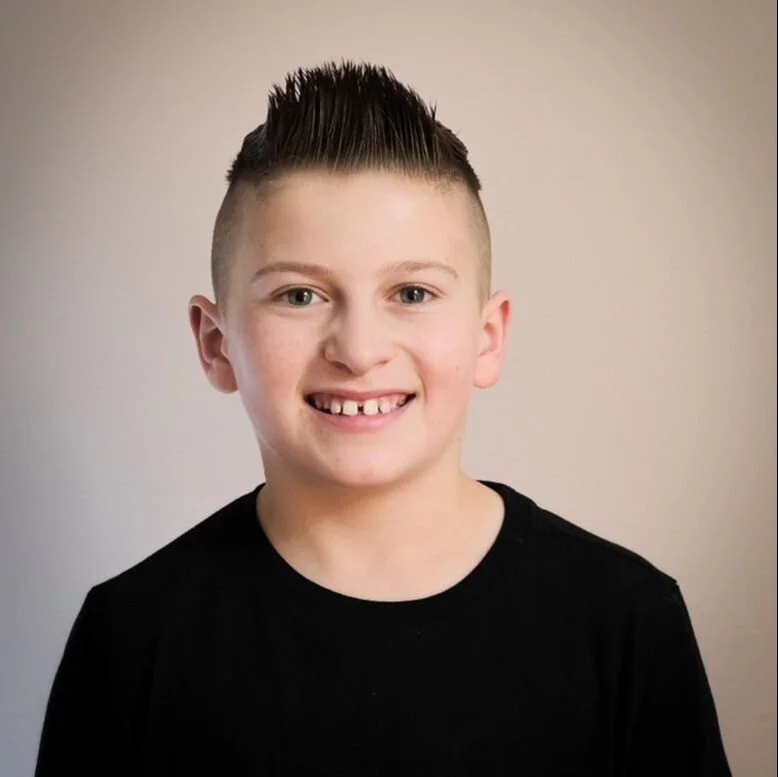
Elementary: Bence’s Story
“As a special educator for more than 20 years I am appreciative and thankful to have my own child’s future in the hands of such dedicated and outstanding teachers.”
-
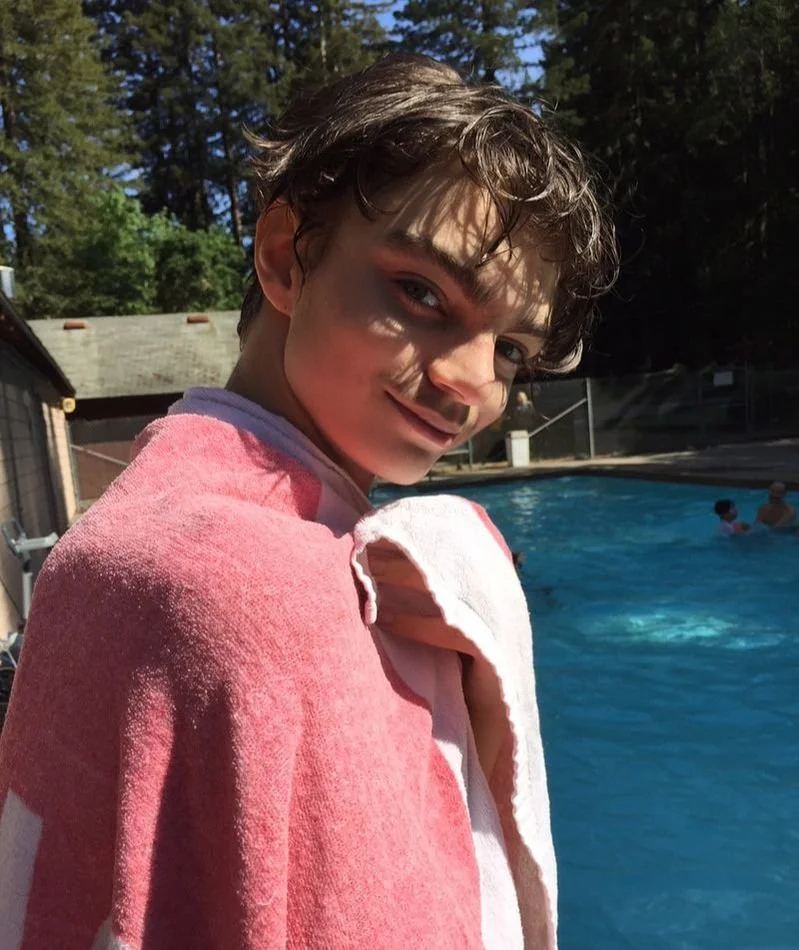
Middle School: Tyler's Story
“Whenever I look back at my experience I look at the people and how we’ve all treated and helped one another and whenever I see the kindness and strength I don’t just see friends or a school I see a home with a family.”
-
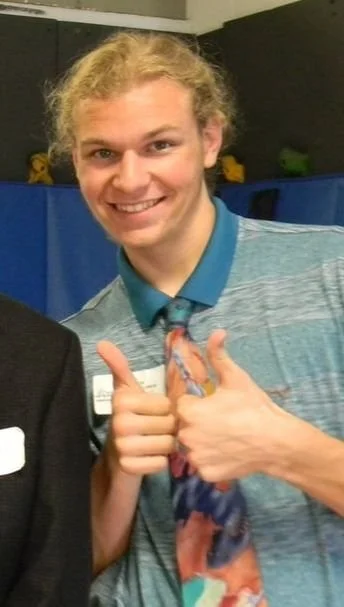
High School: Dawson's Story
“By providing a protective environment in which students are allowed to establish educational social and emotional "roots," they can then began to sprout branch out and flower. They are not cut off from the "real world." Instead they are allowed to grow in a way that honors their individual strengths and talents with careful attention to their particular challenges.”